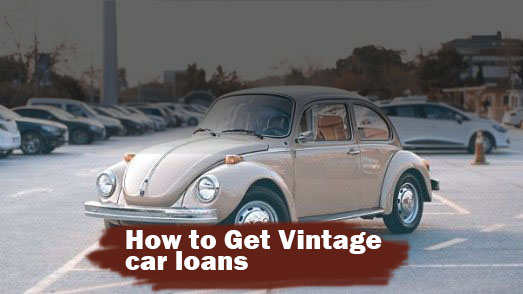
Vintage car loans are becoming increasingly popular among car enthusiasts who want to own a piece of automotive history without paying the full cost upfront. Unlike standard auto financing, these loans are tailored for classic, antique, and collector vehicles, offering flexible terms, specialized rates, and lender expertise that understands the true value of older cars.
Owning a classic vehicle is often driven by passion, nostalgia, or investment goals, and understanding how financing works can make the process smoother and more affordable. This guide breaks down everything you need to know—from eligibility and loan terms to rates, calculators, and credit considerations—so you can make an informed decision.
How Do Vintage Car Loans Work?
Vintage car loans are designed specifically for older vehicles that do not fit the criteria of traditional auto loans. Most banks consider cars over 10–20 years old as “used” or even ineligible for standard financing. This is where specialized lenders step in, offering financing options that reflect the collector value rather than the depreciated book value.
Unlike regular auto loans that rely heavily on age and mileage, lenders in this niche focus on factors such as vehicle condition, rarity, restoration quality, and market demand. Many financing providers also understand that classic cars often appreciate over time, making them a lower-risk asset in the long term. Because of this, loan terms can be longer and more flexible compared to conventional car loans.
One key advantage is that vintage car loans often allow buyers to finance vehicles purchased from private sellers, auctions, or specialty dealers. Borrowers can also find options that support imported classics or limited-production models. Overall, this form of financing opens the door for enthusiasts who might otherwise struggle to secure funding for a collector vehicle.
Credit Requirements and Options for Challenging Credit Profiles
Vintage car loans are not limited to borrowers with perfect credit, which makes them accessible to a wider audience. While a strong credit score will usually result in better interest rates and terms, many lenders provide alternatives for individuals with less-than-ideal credit histories.
Some lenders advertise vintage car loans no credit check, though these often come with higher interest rates or stricter conditions. These options may rely more on the car’s value, a large down payment, or proof of steady income rather than traditional credit scoring. Similarly, vintage car loans for bad credit are available through specialty finance companies that understand the unique nature of collector vehicles.
Borrowers searching for “vintage car loans near me” often find that local credit unions and niche lenders can be more flexible than national banks. These institutions may take a more personalized approach, reviewing the full financial picture rather than relying solely on credit scores. This flexibility allows more enthusiasts to achieve ownership while gradually rebuilding or strengthening their credit.

Loan Terms, Interest Rates, and Long-Term Financing Options
One of the biggest differences between classic and conventional auto financing is the length of repayment terms. Many lenders now offer classic car loans 120 months, allowing borrowers to spread payments over 10 years. This significantly lowers monthly costs, making high-value collector cars more affordable.
Interest rates vary depending on factors such as credit score, loan term, down payment, and the car’s appraised value. Classic car loan rates are often competitive and can sometimes be lower than used car rates, especially when financing a rare or well-maintained vehicle. Since classic cars tend to hold or increase in value, lenders may see them as lower risk compared to standard used vehicles.
Longer terms, such as a 10-year loan, are particularly appealing to buyers who want manageable payments while preserving cash for maintenance, restoration, or insurance. However, borrowers should still compare total interest costs and ensure the loan structure aligns with their long-term financial goals.
Also read: Auto Refinance Car Loan
Using Classic Car Loan Calculators to Plan Your Budget
Before committing to financing, many buyers use tools like a classic car loan calculator to estimate monthly payments and total loan costs. These calculators allow you to input the loan amount, interest rate, and term length to get a realistic picture of what you can afford.
A 10 year classic car loan calculator is especially useful for buyers considering extended repayment periods. It helps compare different scenarios, such as higher down payments versus longer terms, and shows how interest accumulates over time. By adjusting variables, borrowers can determine the most comfortable monthly payment without stretching their budget.
Using these calculators early in the process prevents surprises and allows you to negotiate confidently with lenders or sellers. It also helps you balance passion with practicality, ensuring that owning a classic car remains enjoyable rather than financially stressful.
Finding the Best Classic Car Financing Options
Choosing the right lender is just as important as choosing the right car. The best classic car financing typically comes from institutions that specialize in collector vehicles, including niche finance companies, classic car dealerships, and certain credit unions.
These lenders understand valuation methods beyond standard pricing guides and may offer perks such as flexible down payments, longer loan terms, and tailored insurance requirements. Many also provide financing for restored, partially restored, or even project cars, depending on the borrower’s experience and financial profile.
Comparing offers is crucial. Look beyond interest rates and consider fees, repayment flexibility, early payoff options, and customer service. A lender with expertise in vintage vehicles can guide you through the process, helping you secure financing that aligns with both your financial situation and your passion for classic cars.
Conclusion: Is Vintage Car Financing Worth It?
Vintage car loans make it possible for enthusiasts to own classic vehicles without draining savings or delaying their dreams indefinitely. With flexible terms, specialized lenders, and options for various credit profiles, this form of financing has become more accessible than ever.
When approached wisely, financing a classic car can be both financially manageable and emotionally rewarding. By understanding loan structures, comparing rates, and using planning tools, buyers can enjoy ownership while maintaining financial stability. For many collectors, the right loan is the bridge between admiration and ownership.
Frequently Asked Questions About Vintage Car Loans
What is the best loan company for a classic car?
The best loan company for a classic car is typically a lender that specializes in collector vehicle financing. These companies understand classic car values, offer longer loan terms, and provide competitive interest rates compared to traditional banks. Credit unions and specialty auto finance lenders are often top choices.
Can I get a loan on an old car?
Yes, you can get a loan on an old car through lenders that focus on classic and collector vehicles. While traditional banks may reject older cars, specialty lenders assess value based on condition, rarity, and market demand rather than age alone.
Can you get finance on a classic car?
Financing is widely available for classic cars, especially through lenders experienced in vintage vehicle markets. These lenders often allow private-party purchases, auction buys, and extended loan terms that make ownership more affordable.
What is the typical loan term for a classic car?
The typical loan term for a classic car ranges from 60 to 120 months. Longer terms are common because classic cars often retain or increase in value, allowing lenders to offer extended repayment periods with manageable monthly payments.