
A 50 year mortgage and a 20 year car loan are becoming increasingly popular topics as borrowers look for ways to reduce monthly payments in a high-cost economy. While these extended loan terms can make large purchases feel more affordable in the short term, they also raise important questions about long-term cost, flexibility, and financial risk.
As housing prices and vehicle costs continue to rise, many people are exploring unconventional financing options to maintain cash flow and affordability. This article explains how ultra-long mortgage and auto loan terms work, what they really cost over time, and whether they make sense for your financial future.
How a 50-Year Mortgage Works and What It Really Costs
A 50-year mortgage is an extended home loan that spreads repayment over half a century instead of the traditional 15 or 30 years. The main appeal is simple: much lower monthly payments. By stretching the loan over a longer period, borrowers can qualify for more expensive homes or reduce financial pressure during the early years of ownership.
However, one of the most common questions people ask is: how much more would a 50-year mortgage cost? The answer is—significantly more. Because interest accumulates over a longer period, borrowers often pay two to three times more interest compared to a 30-year loan. Even a slightly higher interest rate can dramatically increase the total amount repaid.
Another key factor is equity growth. With such a long term, a large portion of early payments goes toward interest rather than principal. This means homeowners build equity very slowly, which can be risky if property values drop or if they need to sell early. While these mortgages can offer short-term relief, they require careful long-term planning.
Also read: Selling a Car With a Loan
Exploring the Idea of a 20-Year Car Loan
Auto financing has also seen longer terms in recent years, leading many to ask: can I get a car loan for 20 years? While not common, some specialty lenders and financing arrangements do allow extremely long auto loan terms, especially for high-value or custom vehicles.
The biggest advantage is affordability. Stretching payments over two decades dramatically lowers the monthly cost, making expensive vehicles accessible to more buyers. However, cars depreciate much faster than homes, which introduces a major financial risk. Borrowers can remain “upside down” on the loan—owing more than the car is worth—for many years.
People also wonder what is the longest term for a car loan? In most markets, 84 months (7 years) is standard, with 96 or 120 months offered occasionally. Anything beyond that is rare and usually comes with higher interest rates, stricter conditions, or balloon payment structures. Long car loans require discipline and a clear understanding of depreciation and maintenance costs.
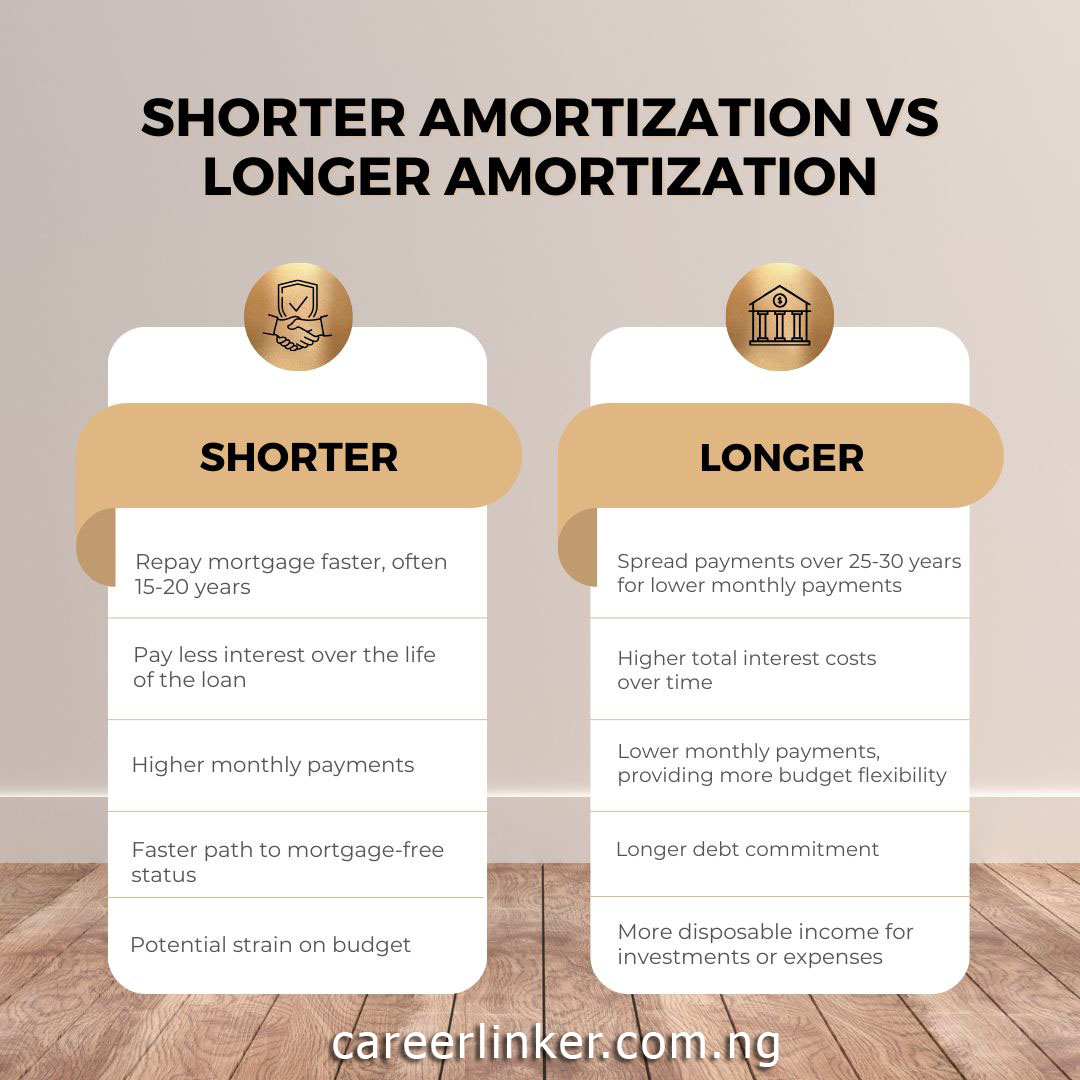
Comparing Long-Term Mortgage and Auto Loan Commitments
A 50 year mortgage and a 20 year car loan may seem similar because both aim to reduce monthly payments, but they behave very differently financially. Homes generally appreciate over time, while vehicles lose value almost immediately. This difference alone makes long-term risk much higher for extended car loans.
Mortgages are often viewed as long-term investments or stability tools, whereas car loans finance a depreciating asset. With ultra-long terms, borrowers may end up paying interest long after the asset has lost most of its value. This is why lenders are more cautious with extended auto loan terms.
Another issue is flexibility. Long loans can limit future financial decisions, such as refinancing, upgrading vehicles, or relocating. While lower monthly payments can improve cash flow today, they may reduce financial freedom tomorrow. Understanding these trade-offs is essential before committing to extended repayment periods.
Breaking Down Real-World Loan Cost Examples
Many borrowers want practical comparisons, such as how much is a $30000 car loan for 60 months? While exact numbers depend on interest rates, a standard 60-month loan typically offers a balance between manageable payments and reasonable interest costs.
Shorter loan terms generally mean higher monthly payments but much lower total interest paid. In contrast, longer terms reduce the monthly burden but significantly increase the lifetime cost of the loan. This principle applies to both mortgages and car loans, though the effect is more dramatic with depreciating assets like vehicles.
Using loan calculators before committing to extended terms helps borrowers visualize the true cost. Comparing different scenarios side-by-side often reveals that what feels affordable monthly may be expensive over time. Financial clarity at this stage can prevent long-term regret.

When Extended Loan Terms Might Make Sense
Despite the risks, ultra-long loan terms are not always a bad idea. For some borrowers, they provide temporary breathing room during high-expense life stages. Entrepreneurs, commission-based earners, or individuals expecting income growth may use extended terms strategically.
For mortgages, longer terms may be useful in high-cost housing markets where affordability is a major barrier. Some borrowers also plan to refinance later once income improves or interest rates drop. The key is having a clear exit strategy rather than assuming the loan will run its full term.
With car loans, extended terms might suit rare or collectible vehicles that hold value better than standard cars. However, for everyday vehicles, caution is essential. Borrowers should weigh maintenance, insurance, and depreciation alongside loan payments.
Final Thought: Balancing Affordability and Long-Term Financial Health
A 50 year mortgage and a 20 year car loan can make large purchases feel manageable, but they come with long-term financial consequences that should not be ignored. Lower monthly payments often hide significantly higher interest costs and reduced flexibility over time.
Smart borrowing is about balance. Understanding total loan cost, asset value, and personal financial goals helps borrowers choose terms that support—not strain—their future. Extended loans should be tools, not traps, and they work best when paired with careful planning and realistic expectations.
Frequently Asked Questions
How much more would a 50-year mortgage cost?
A 50-year mortgage can cost substantially more than a 30-year loan due to decades of additional interest payments. Even with a similar interest rate, the total repayment amount can be hundreds of thousands higher over the life of the loan.
Can I get a car loan for 20 years?
While uncommon, some lenders do offer very long car loan terms, usually under special circumstances. These loans often come with higher interest rates and should be approached carefully due to vehicle depreciation.
How much is a $30000 car loan for 60 months?
The monthly payment depends on the interest rate, but a 60-month term typically balances affordability with lower overall interest compared to longer loan terms. It is often considered a financially safer option.
What is the longest term for a car loan?
Most lenders cap car loans at 84 to 96 months, with some extending to 120 months. Anything longer is rare and usually carries higher financial risk.